If you've spent any time researching chamomile, you've probably come across two names: German chamomile and Roman chamomile. They sound like a minor botanical detail, but the difference actually matters if you care about what ends up in your cup.
German Chamomile vs Roman Chamomile

German chamomile, scientifically Matricaria chamomilla (also written Matricaria recutita), is an annual plant and the variety used in the overwhelming majority of chamomile tea sold worldwide. Roman chamomile, Chamaemelum nobile, is a perennial with a more bitter, apple-like flavour, used far more often in aromatherapy and ornamental gardening than in tea.
The practical difference comes down to two things: German chamomile has a notably higher concentration of apigenin, the compound most closely linked to chamomile's calming effect, and it has a sweeter, more floral taste that most people find more pleasant to drink regularly. When a product simply says "chamomile tea" without specifying, it's almost always German chamomile — but checking the label for the botanical name is the only way to be certain.
Why German Chamomile Became the Standard for Tea
A few practical reasons German chamomile dominates the tea market:
- Higher apigenin content — the primary compound behind chamomile's reputation for calm and better sleep
- Milder, sweeter flavour — easier to drink daily without needing honey or sweetener to balance bitterness
- Easier to cultivate at scale — as an annual, it grows quickly and produces reliably each season
- More extensively studied — most of the clinical research on chamomile's effects on sleep and anxiety has specifically used German chamomile extract
Identifying Genuine German Chamomile
A few things worth checking if you want to be sure you're buying the real variety:
- Look for "Matricaria chamomilla" or "Matricaria recutita" listed on the packaging
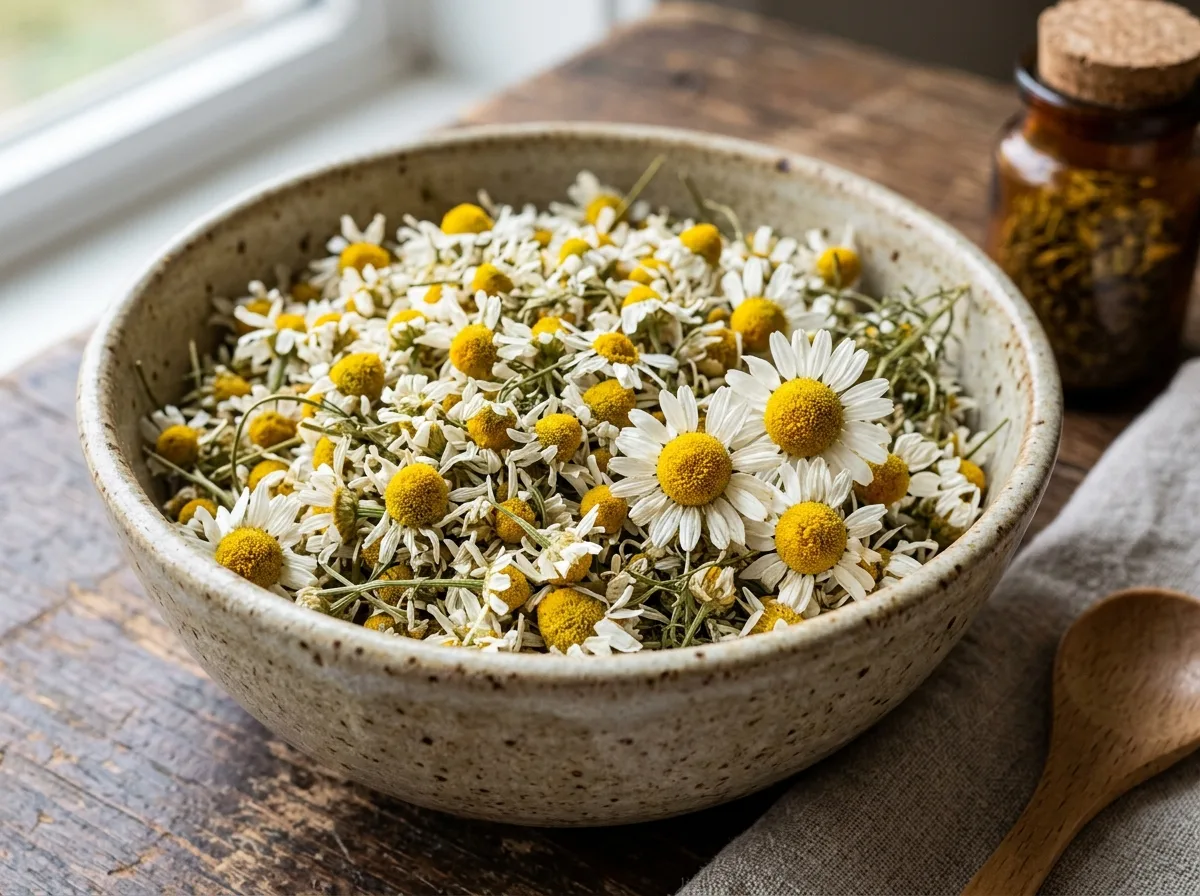
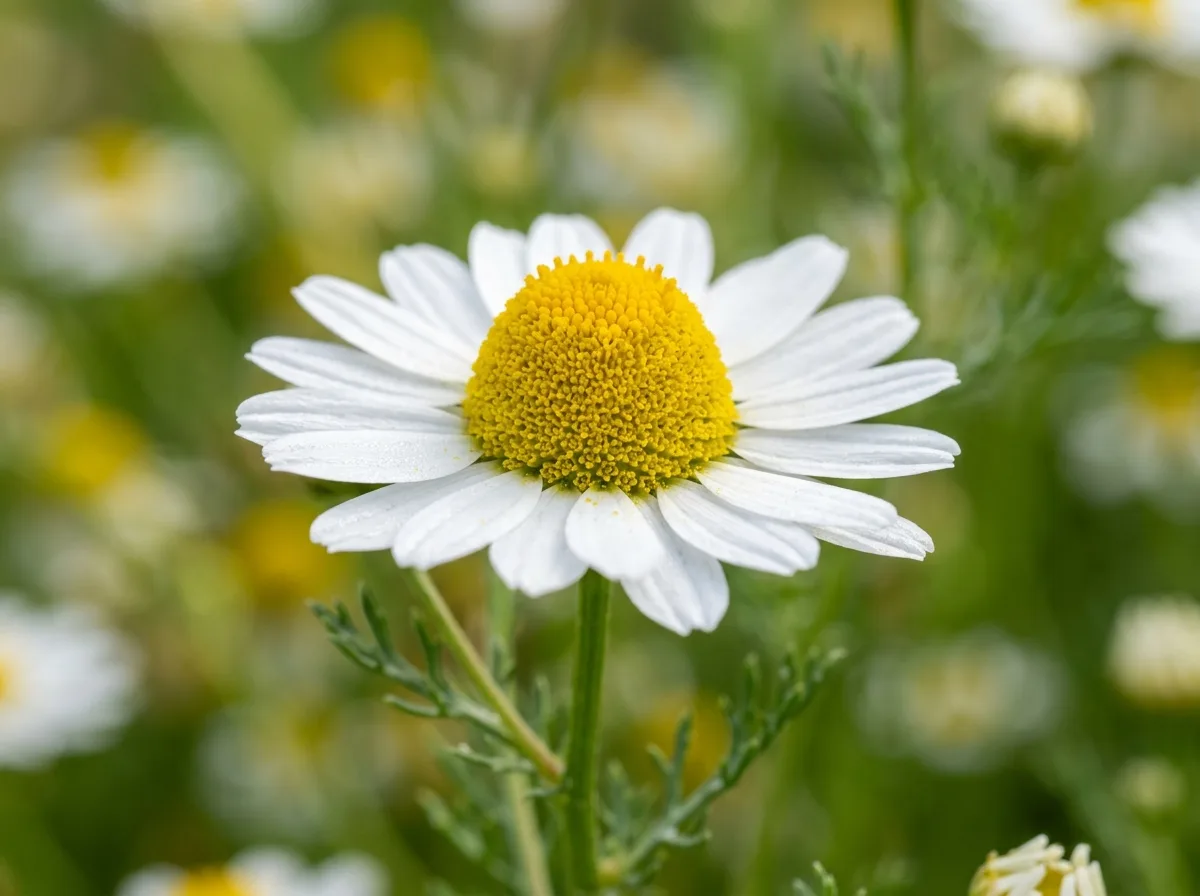
- Genuine German chamomile flowers have a distinctly hollow, cone-shaped yellow centre when you look closely — Roman chamomile's centre is more solid
- The scent should be sweet and apple-like, not sharp or medicinal
German Chamomile Seeds and Growing Your Own
German chamomile is also one of the easier herbs to grow at home, which is part of why searches for German chamomile seeds have grown alongside interest in the tea itself. It prefers full sun, well-draining soil, and light watering, typically flowering within 6 to 8 weeks of sowing. If you're growing it specifically to make tea, harvest the flower heads once the white petals begin to fold back from the yellow centre — that's when the essential oil content is at its peak.
Growing your own is a satisfying project, but drying and storing the flowers correctly to preserve their strength takes some practice, and a home harvest rarely matches the consistency of flowers dried under controlled conditions.
Why It's Worth Knowing Which Variety You're Drinking

Most people never think to check which chamomile variety is in their tea, and most of the time it genuinely is German chamomile regardless of the label. But if you've tried chamomile tea before and found it underwhelming, it's worth checking — some products blend in Roman chamomile or other filler botanicals to cut costs, which changes both the taste and the strength of the calming effect you're likely looking for.
Our german chamomile tea is made purely from this variety — the one with the strongest research behind it and the sweetest, most drinkable flavour of the two. If sleep or stress relief is the reason you're searching for chamomile tea in the first place, this is the variety worth making sure you're actually getting.