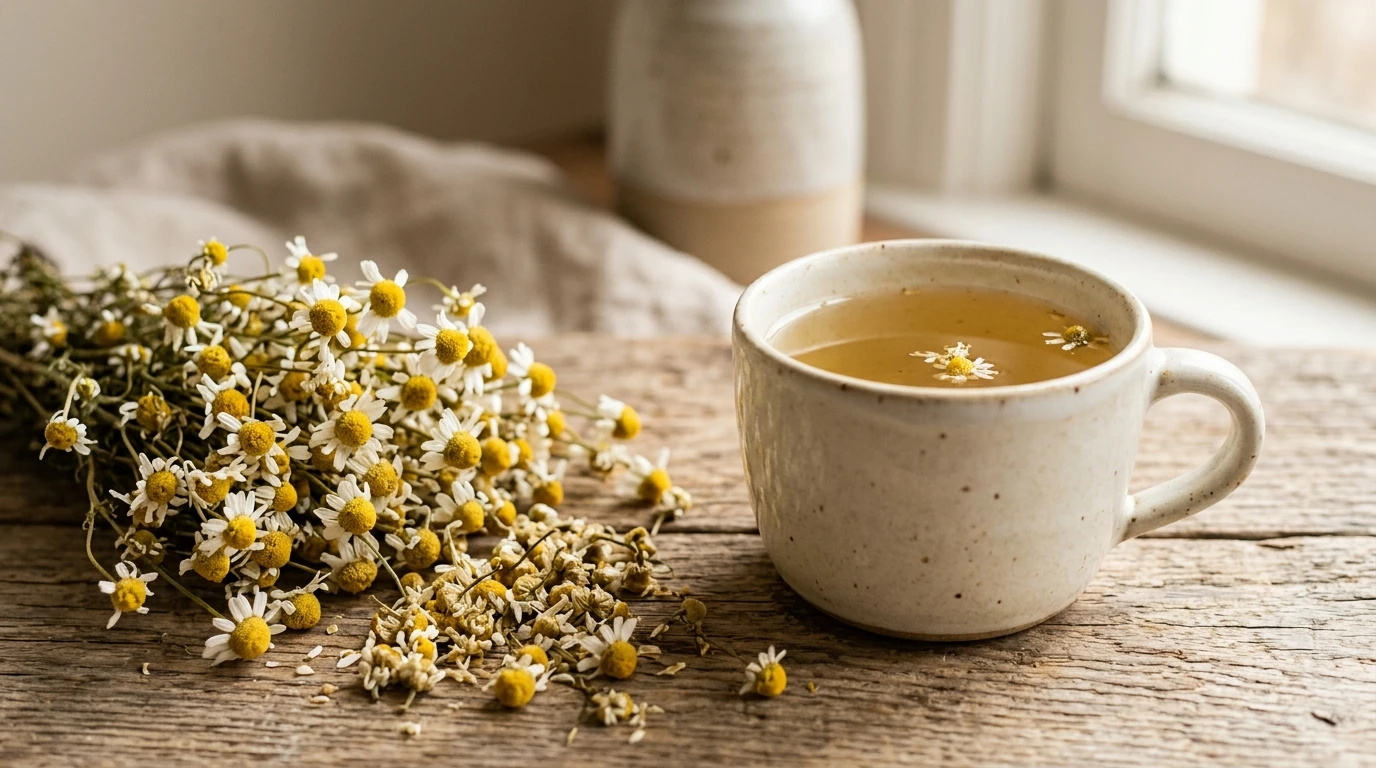
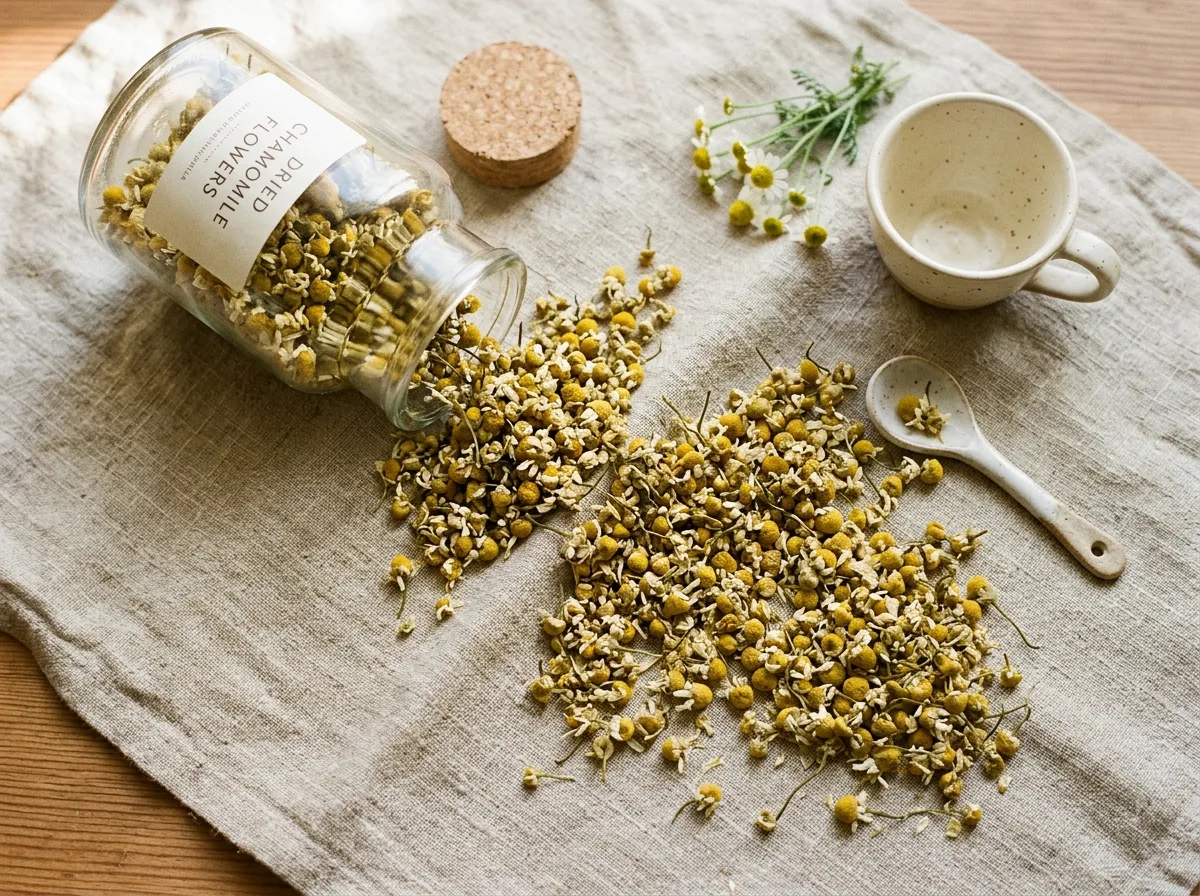
Pick up any packet labelled "chamomile tea" and the ingredient doing all the work is a small, unassuming daisy-like bloom called the chamomile flower. It's easy to overlook. It's white-petalled, yellow-centred, barely the size of a coin, and yet it's one of the most searched herbal ingredients in the country. There's a reason people keep coming back to it, and it isn't hype.
The chamomile flower comes from the Matricaria chamomilla plant, most commonly known as German chamomile. Only the flower head is used, never the stem or leaves, because the essential oils and active compounds that give chamomile its calming, mildly anti-inflammatory effect are concentrated almost entirely in the petals and centre disc. That detail matters more than most buyers realise. A lot of commercial "chamomile" products are bulked up with stem fragments and crushed plant matter that dilute both the flavour and the effect.
What Makes a Good Chamomile Flower
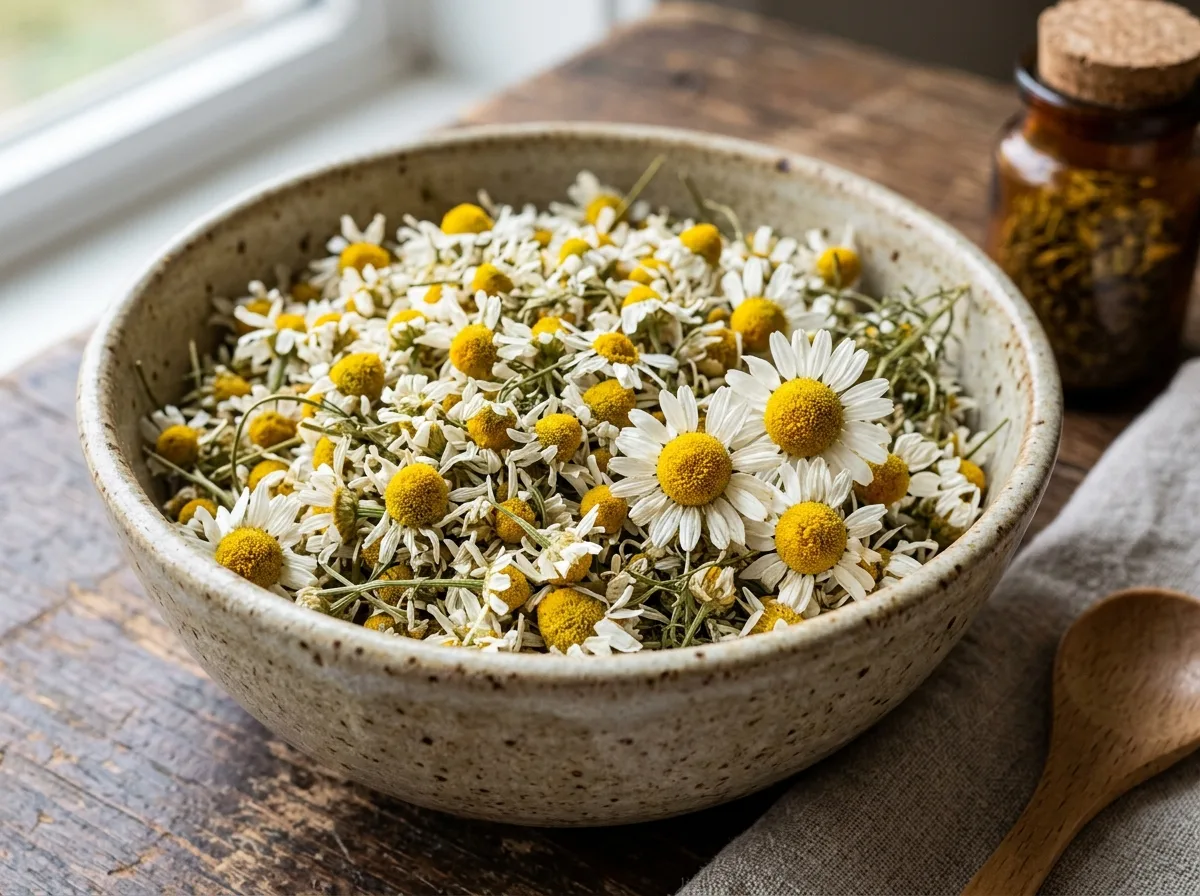
Not every chamomile flower is equal, and the difference shows up the moment you brew it. A high-quality flower is:
- Whole, not crushed into dust or fine powder
- Pale gold to cream in colour, not brown or faded (a sign of age or poor storage)
- Fragrant even before brewing — a fresh, apple-like sweetness you can smell straight from the packet
- Free of stems, dirt, or filler material mixed in

Close-up of a fresh German chamomile flower head (Matricaria chamomilla)
If you've bought chamomile before and found it bland or weak, the flower itself was probably the problem, not the tea-making. Dust-grade chamomile, the kind packed into cheap tea bags, loses most of its aroma within weeks of processing. Whole flowers, stored properly, hold their strength for months.
Chamomile Flower vs Dried Chamomile Flowers: Same Thing, Different Stage
"Chamomile flower" and "dried chamomile flowers" refer to the same product at different points in the supply chain. Fresh flowers are harvested by hand, then air-dried or gently machine-dried to remove moisture without cooking off the essential oils. Done correctly, this preserves the flower's shape, colour, and scent almost completely. Done carelessly — dried too fast, at too high a temperature, or stored in humid conditions — the flower turns brittle and flat-tasting long before it reaches your cup.
This is also why chamomile flower tea tastes noticeably different depending on where you buy it. A flower dried within days of harvest and packed soon after will taste sweeter and more floral than one that sat in a warehouse for a year before reaching a shelf.
What Chamomile Flower Is Used For
Tea is the most common use, but not the only one. A few others worth knowing:
- Herbal tea — the primary and most researched use, valued for its calming effect and caffeine-free profile
- Skin rinses — a strong, cooled infusion applied to irritated skin as a gentle, natural soother
- Bath soaks — dried flowers added to warm bathwater for a relaxing, aromatic bath
- Compresses — cooled chamomile tea on a cloth, used to ease puffiness or mild skin irritation
Each of these draws on the same underlying compounds, chiefly apigenin, that make chamomile useful for calming and mild anti-inflammatory support. The concentration is strongest in tea form, since that's a direct extraction of the flower's oils into hot water.
How to Judge Chamomile Flower Quality Before You Buy
A few practical checks, especially if you're buying online and can't smell the product first:
- Look for "whole flower" or "whole dried flower" in the product description, not just "chamomile"
- Check that the listing shows an actual photo of the flowers, not just a styled tea-bag image
- Avoid products with a long ingredient list — real chamomile tea should list one ingredient
- Prefer sellers who mention batch freshness or harvest sourcing over vague "premium quality" claims
Chamomile Flower Around India
Chamomile isn't native to India, but it's grown successfully in parts of the country with a suitable climate, and demand has grown steadily as more people search for its Hindi, Tamil, and other regional names while researching natural sleep and stress remedies. Regardless of where it's grown, the standard for quality stays the same: whole flowers, gentle drying, and fast turnaround from harvest to packet.
Bringing It Back to the Cup

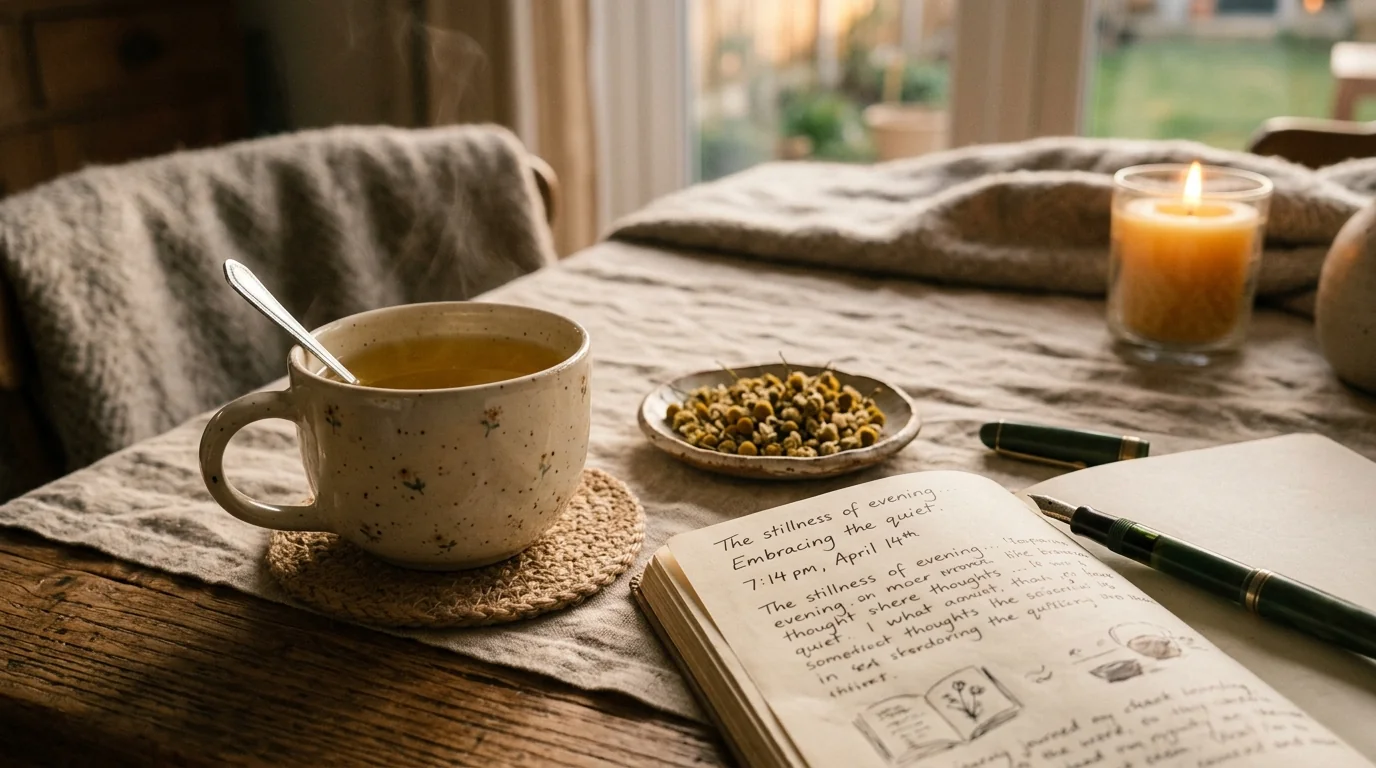
All of this — sourcing, drying, storage — exists for one reason: to end up in a cup that actually works the way chamomile is supposed to. A weak, dusty, stale flower gives you a weak, forgettable tea. A fresh, whole, properly dried one gives you the calming, faintly sweet infusion people search for chamomile in the first place. That's the standard behind our chamomile flower tea — not a marketing claim layered over dust-grade tea.
If you're comparing chamomile products online, the flower itself is the one detail worth checking before anything else on the label. Everything good about chamomile tea starts there.