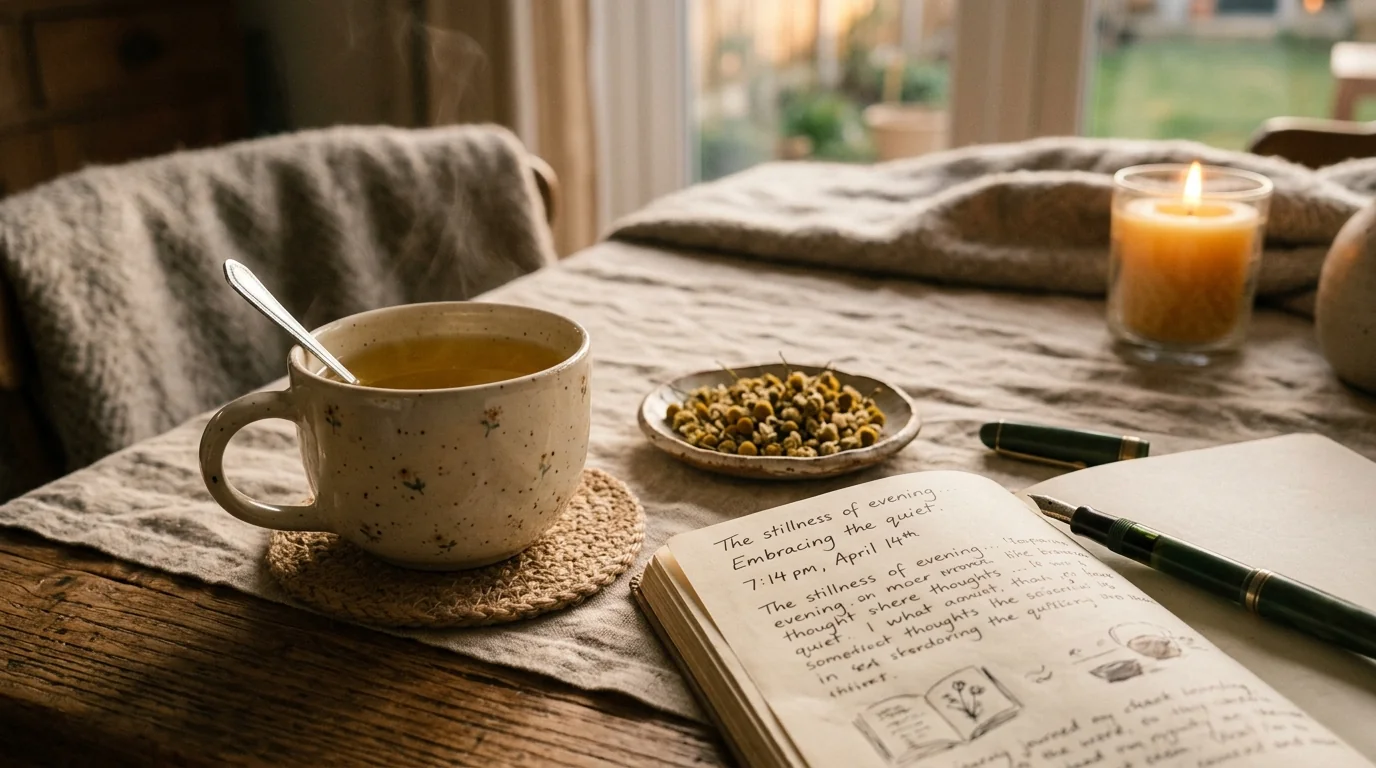
Stress after a difficult day is not the same thing as an anxiety disorder. Chamomile is often discussed as though it covers both, which makes the claims sound stronger than the evidence. As a drink, chamomile is naturally caffeine-free and fits easily into a quiet routine. Research on chamomile extracts also gives us some evidence relevant to anxiety. The two should be kept separate.
Understanding this distinction helps readers build healthy self-care habits while keeping medical reality clear. For clinical study details on GAD, read our companion piece on chamomile tea for anxiety and see our review on chamomile tea for sleep.
Why Chamomile Became a Relaxing Drink
Pure chamomile contains no caffeine, so it can replace a caffeinated drink later in the day. Older consumer and food articles often placed it alongside familiar ways of unwinding: a bath, softer lighting, reading, less screen time, or simply sitting down with a warm cup. [1][2][3]
The appeal makes sense even without a medical promise.
The Clinical Anxiety Evidence
The 2009 randomized trial of 57 people with mild to moderate GAD found a greater reduction in anxiety symptoms with chamomile extract than placebo. [4] A larger 2016 trial involving 179 people also reported lower GAD symptoms during continued chamomile treatment, although its main relapse outcome was not statistically significant. [5]
These findings give chamomile a genuine clinical research history. They do not establish that drinking tea has the same effect.
Why “Lowers Cortisol” Is Too Simple
A 2017 exploratory study measured salivary cortisol during chamomile extract therapy in adults with moderate to severe GAD. [6] It is tempting to reduce that kind of research to a consumer slogan. That would skip several steps between a biological marker and the lived experience of stress.
A cortisol result is one piece of research. It is not a general-purpose stress score and it does not tell us that any cup of chamomile lowers cortisol.
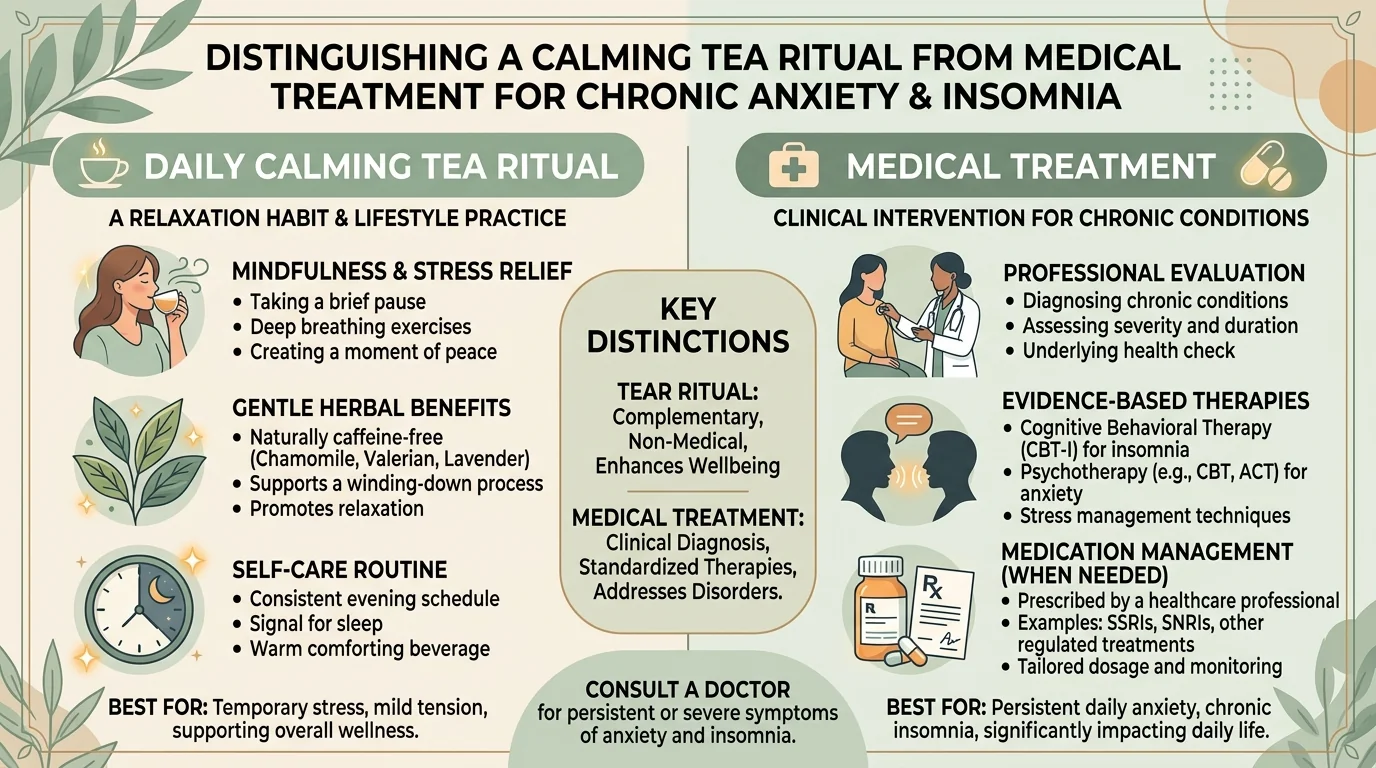
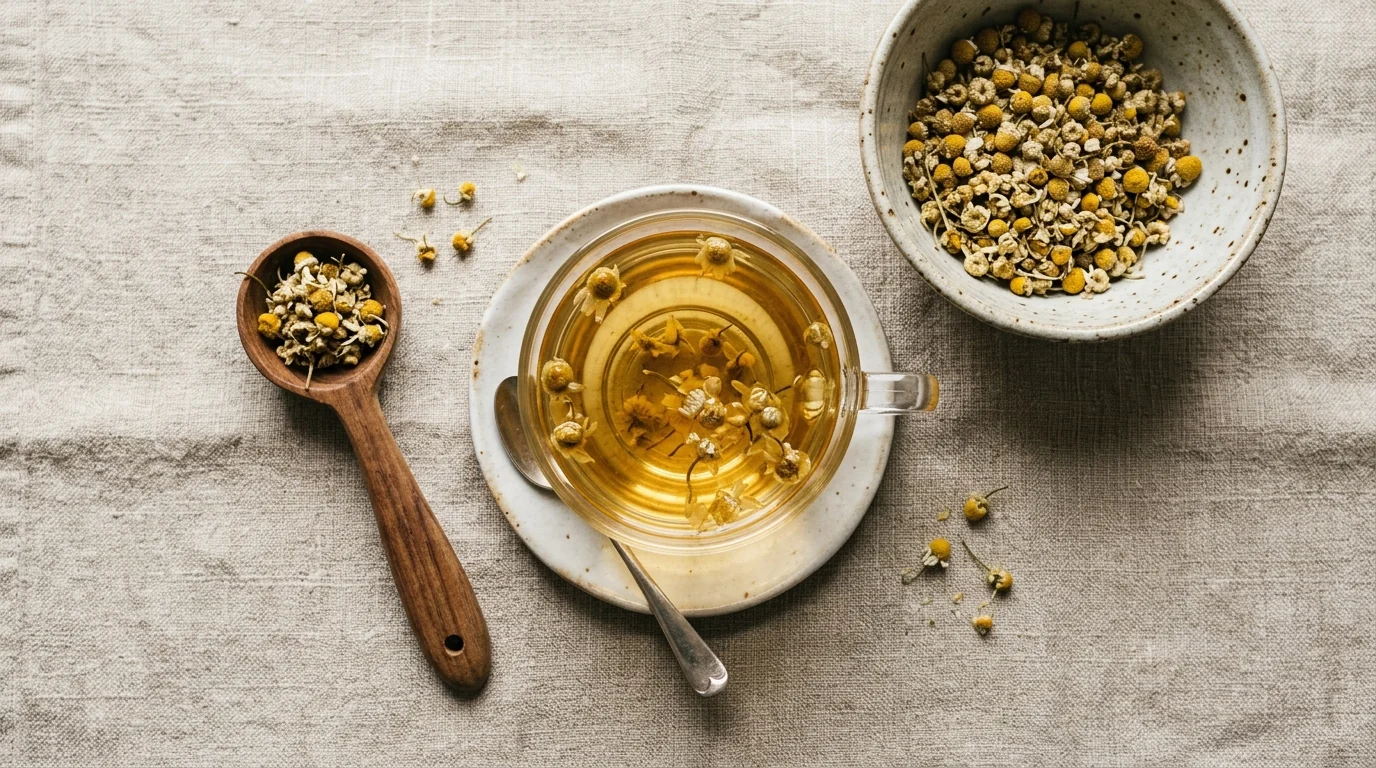
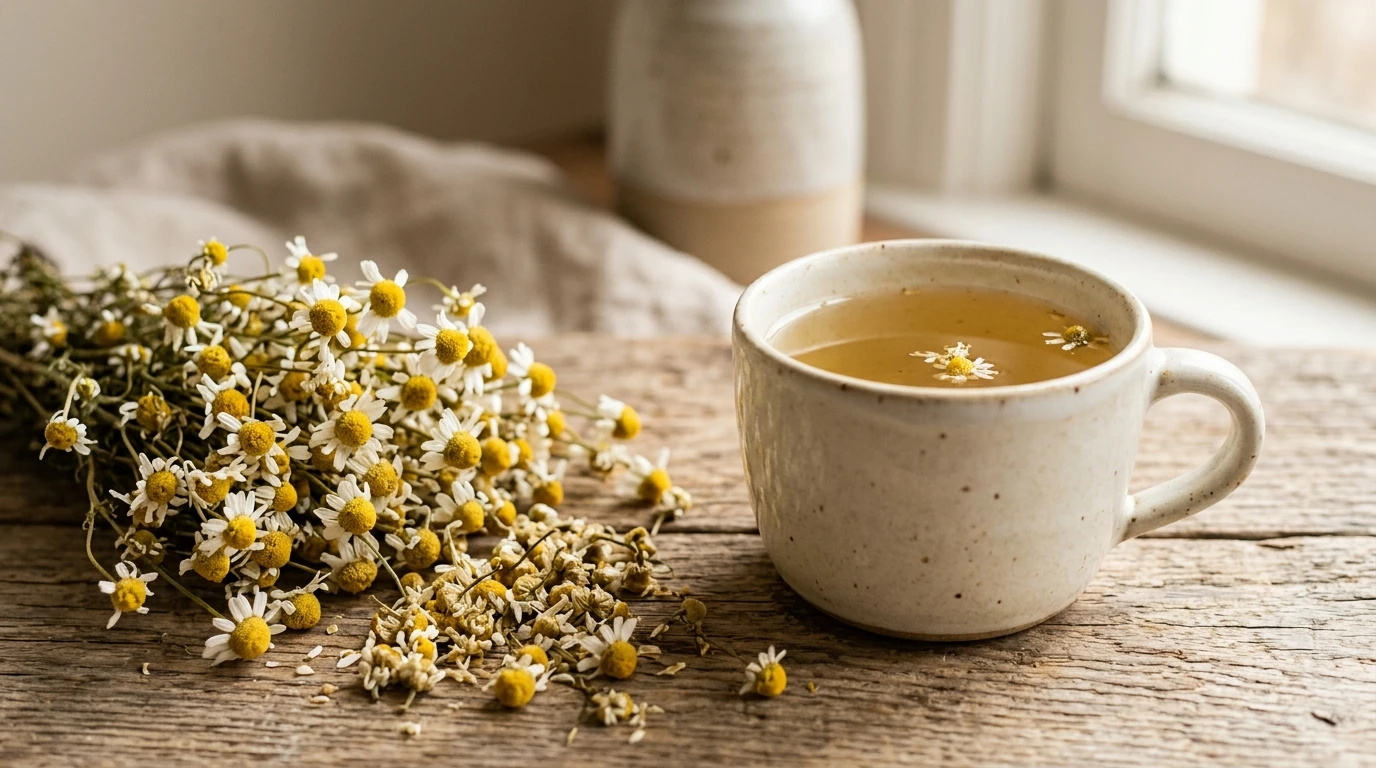
Figure 1: Distinguishing a daily calming tea ritual from medical treatment for chronic anxiety or sleep disorders.
What Older Indian Coverage Looked Like
NDTV Food published two chamomile pieces in 2017. One discussed reduced stress and anxiety alongside digestion and skin; another included chamomile among herbal teas used to calm the mind. [7][8]
These are useful historical examples because they show how people were being introduced to chamomile before today's health-content conventions became so standardized. The weakness is that traditional use, expert opinion, and clinical evidence can blur together. A modern article should keep the layers distinct. Explore our evidence overview on is chamomile tea healthy for a grounded scientific look.
A Practical Way to Use the Tea
If the goal is relaxation, chamomile makes the most sense as one part of a broader low-stimulation routine. That could mean finishing work, putting the phone away, making tea, reading for a while, and going to bed at a consistent time.
The tea does not have to carry the entire burden. If someone personally finds the ritual calming, that is useful information about that person's routine—not proof that the drink is an anti-stress medicine. Learn more on optimal timing in when to drink chamomile tea before bed.
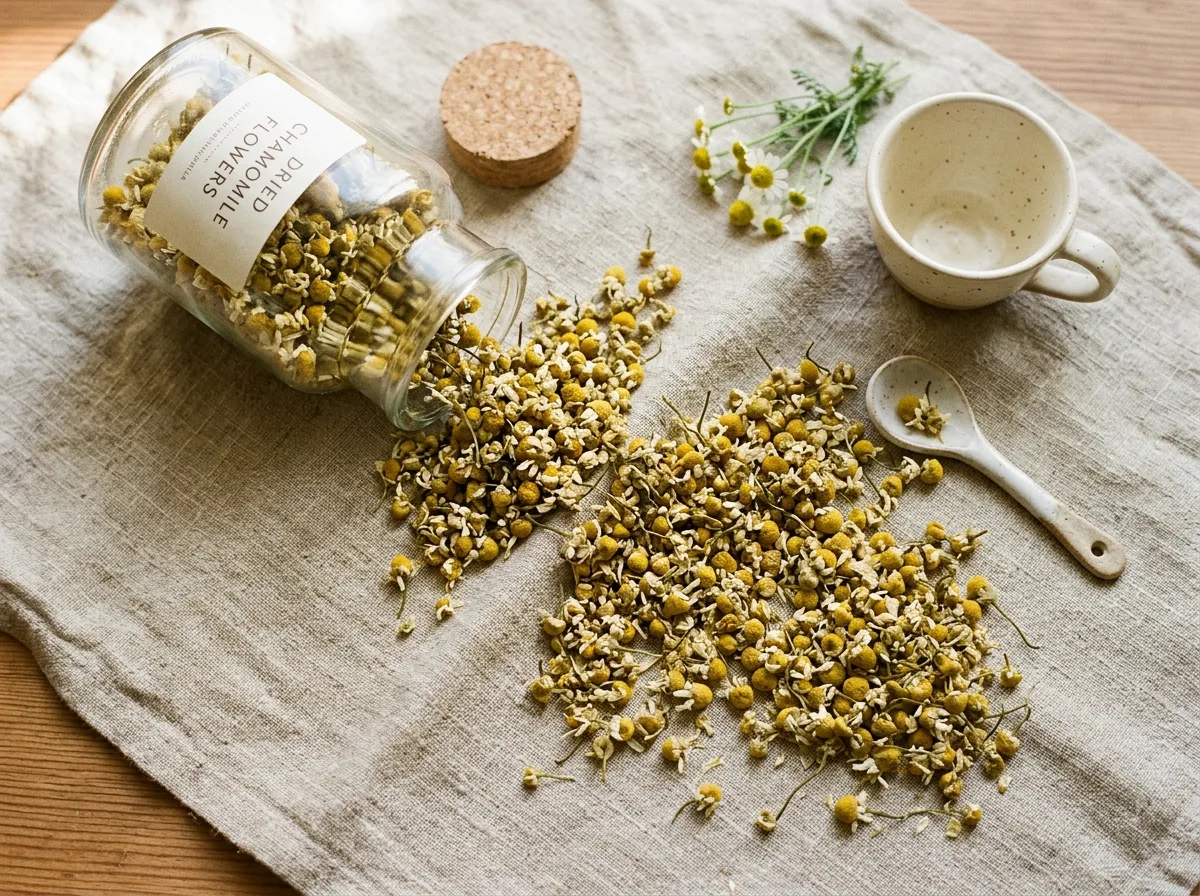
Whole-Flower Chamomile Tea
Craft your evening unwinding moment with whole, aromatic chamomile blossoms. Pure botanical comfort in every cup, gentle on the palate and naturally free from caffeine.
What It Cannot Replace
A cup of tea cannot remove the source of chronic stress, treat a diagnosed anxiety disorder, or correct a sleep disorder. Persistent anxiety, panic attacks, depression, or major interference with daily life deserve professional attention.
Chamomile can sit alongside a healthy routine. It should not become the treatment plan by default.
Safety
NCCIH reports that chamomile can cause allergic reactions and may interact with some medicines. Anyone using medication regularly should check before using concentrated or frequent chamomile. Pregnancy and breastfeeding also warrant caution because safety information is limited. [9] Check our comprehensive overview on chamomile tea benefits, uses, and safety.
The Practical Conclusion
Chamomile is easy to overmarket because “calming” sounds almost self-explanatory. The evidence is more specific. Research supports interest in chamomile extract for anxiety, while everyday tea is better described as a caffeine-free herbal drink that many people use during periods of rest and winding down.
That is a smaller claim. It is also the claim the evidence can carry.
Historical Source Set Used for This Article
- WebMD, 2012 — natural sleep supplements and lifestyle. WebMD ↗
- Mayo Clinic Health Letter, 2013 — chamomile as a sleep aid. Mayo Clinic ↗
- Premier's Tea, 2016 — chamomile positioned as a caffeine-free calming tea. Premier's Tea ↗
- Amsterdam JD et al., 2009 — double-blind trial of chamomile extract for GAD. PubMed: 19593179 ↗
- Mao JJ et al., 2016 — long-term chamomile randomized trial for GAD. PubMed: 27912875 ↗
- Keefe JR et al., 2017 — salivary cortisol exploratory study. PubMed: 29157832 ↗
- NDTV Food, 2017 — reduced stress/anxiety discussion. NDTV Food ↗
- NDTV Food, 2017 — herbal teas for calm/relaxation. NDTV Food ↗
- NCCIH (NIH), 2020 — “Anxiety and Complementary Health Approaches; Chamomile: Usefulness and Safety.” NIH NCCIH ↗